

Study In United States of America
Step Into Success with a World-Class Education in United States of America.

Capital
Washington D.C

Language
English

Population
347.28 million

Currency
United States Dollar (USD)

International Students
1.1 million

Academic Intakes
September/ January/ May

Dialing Code
+1

GDP
USD 29 trillion
Why Study In United States of America!
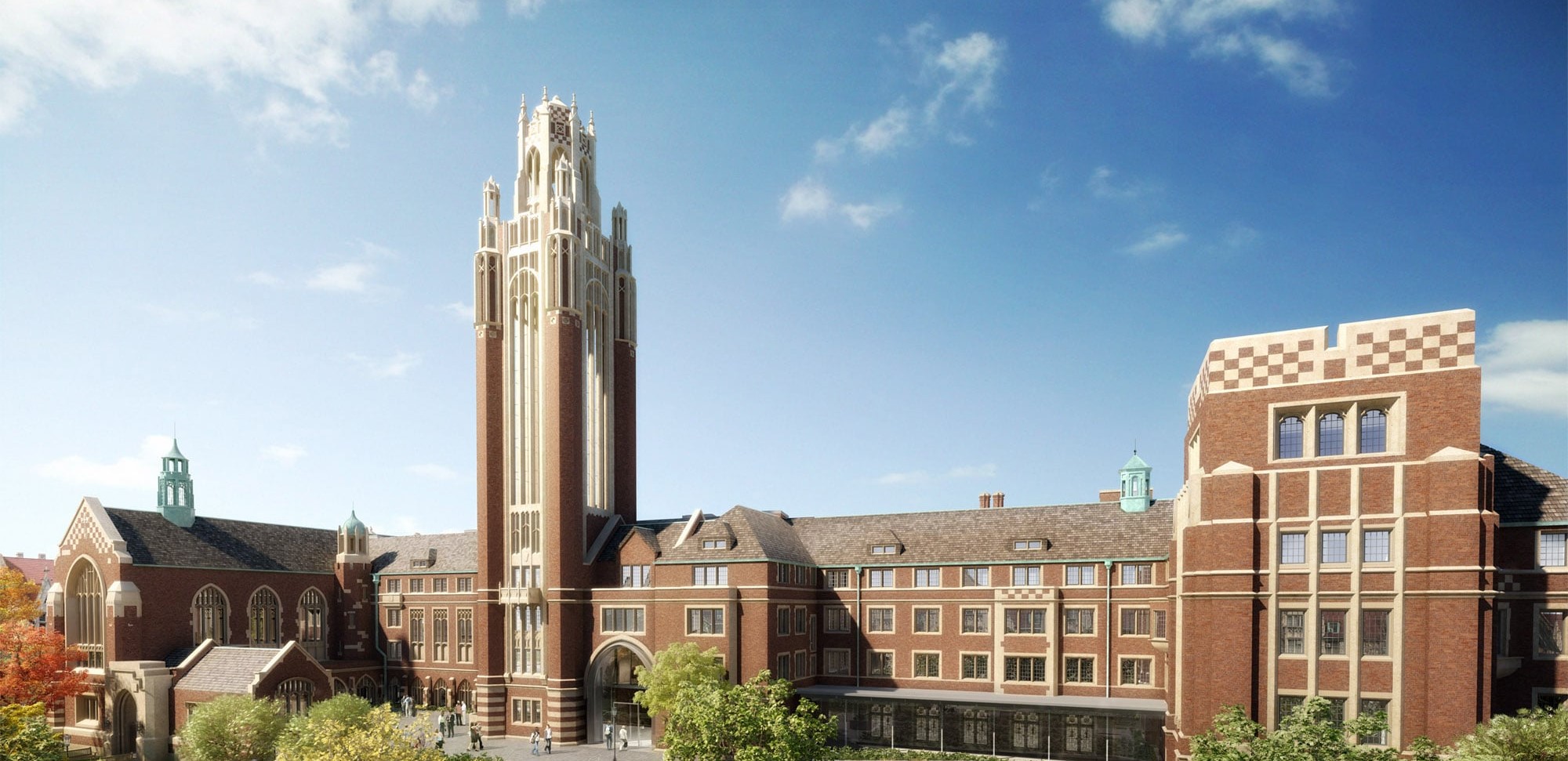
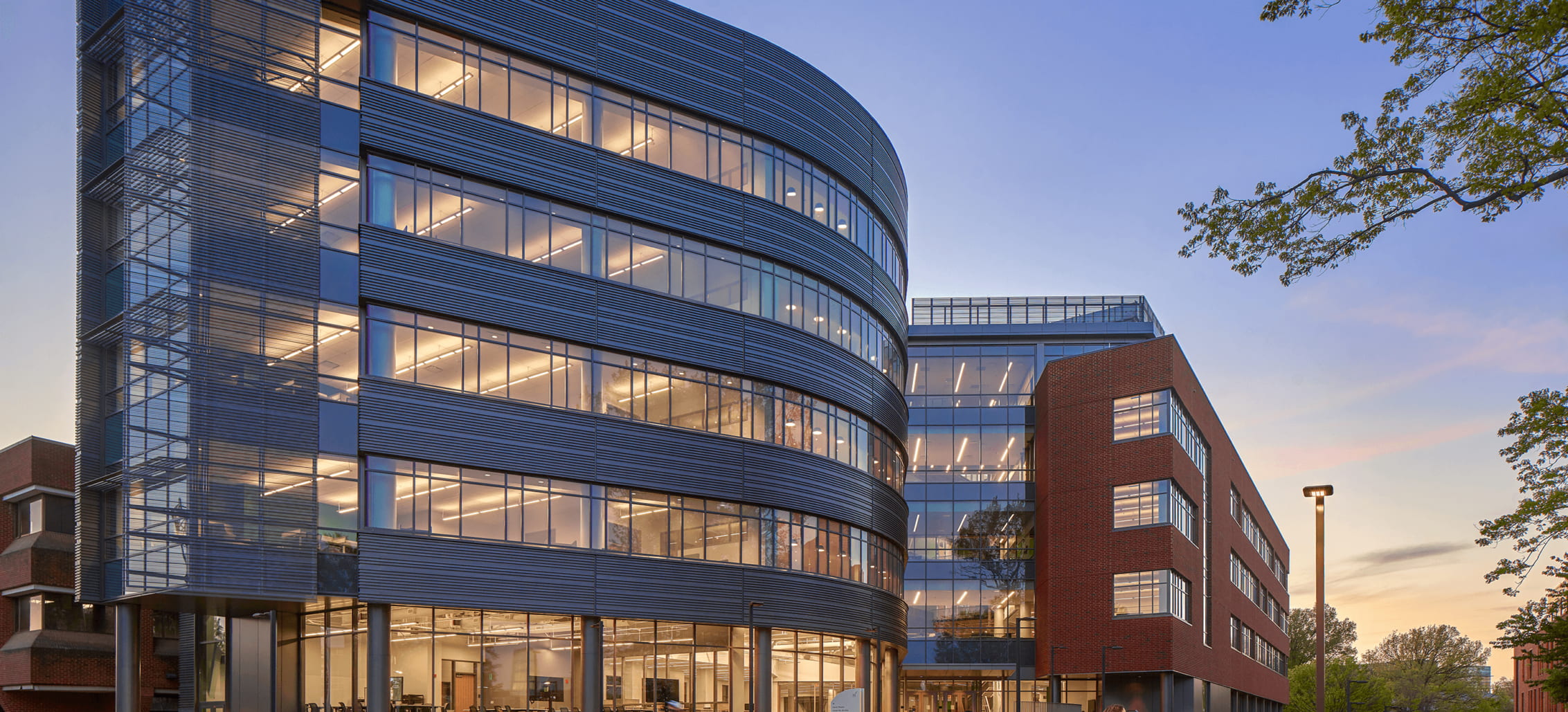
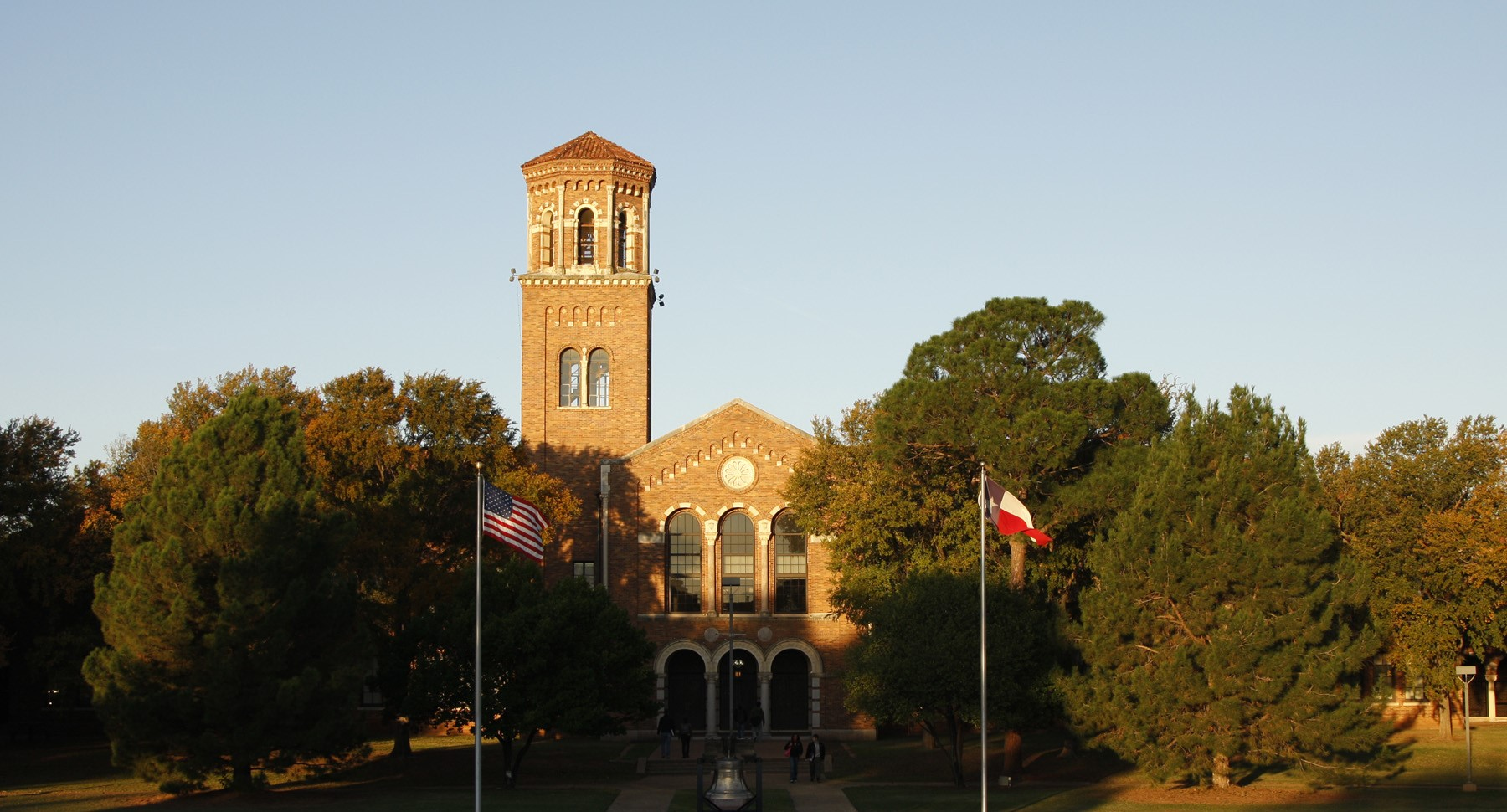
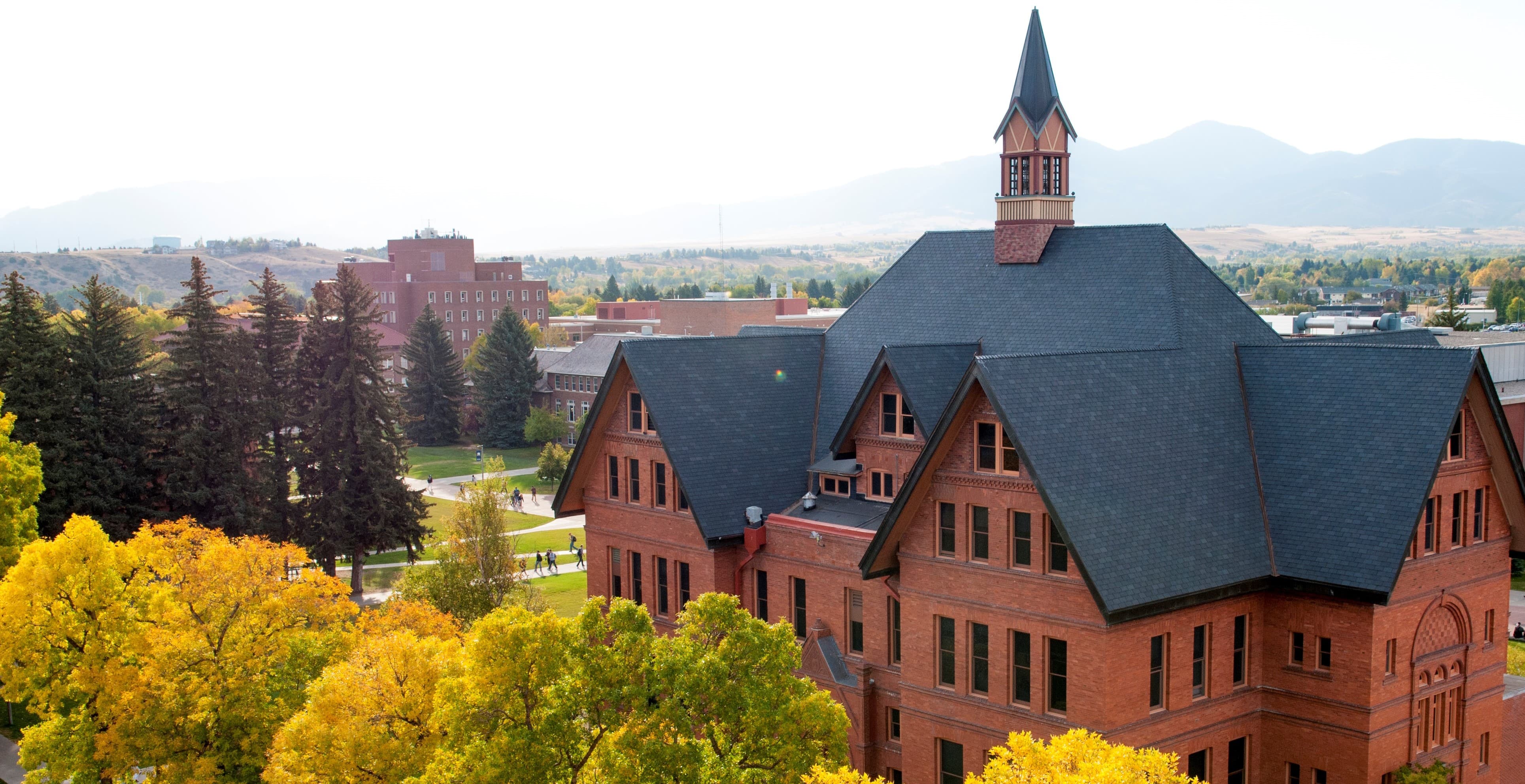
Studying in the United States offers numerous advantages for international students, making it a top destination for higher education. The U.S. is home to some of the world’s most prestigious universities and academic programs, offering cutting-edge research opportunities and high-quality education across diverse fields. Institutions like Harvard, MIT, and Stanford are globally recognized for their excellence. The variety of programs available allows students to tailor their education to their specific career goals, while the diverse student population creates a dynamic and multicultural environment. Moreover, studying in the U.S. enhances career prospects, as American universities have strong ties to industry and offer access to internships, research opportunities, and networking events that can open doors to high-paying jobs. U.S. universities also foster a culture of innovation and critical thinking, encouraging students to engage in problem-solving and leadership. The flexibility in course selection, state-of-the-art facilities, and opportunities for personal and professional growth make the U.S. an attractive choice for students worldwide. Additionally, after graduation, international students have access to various visa options that allow them to work in the U.S., further boosting their global career prospects.




Work Opportunity in United States of America

Work while Studying
International students are allowed to work on-campus up to 20 hours per week during the academic term and 40 hours per week during school breaks (summer, winter holidays).

Post-Study Work Visa
After completing their studies, international students may transition to work in the U.S. through the OPT program if they have not already utilized it. This program enables graduates to work in a position related to their degree for a period of up to 12 months, with an additional 24-month extension for STEM graduates.
How to Get Permanent Residency in United States of America as an International Student?
• The first step toward obtaining Permanent Residency is completing your studies in the U.S. as an international student on an F-1 visa.,
• You need to hold at least a bachelor’s, master’s, or Ph.D. degree from a recognized U.S. institution, which is often a prerequisite for obtaining a work visa.
• After graduating, you are eligible to apply for Optional Practical Training (OPT), which allows you to work in the U.S. for up to 12 months in a field directly related to your major,
• Students in STEM (Science, Technology, Engineering, and Mathematics) fields can extend their OPT for an additional 24 months,
• Once you have been working in the U.S. for several years (typically on an H-1B visa), your employer can sponsor you for a Green Card (Permanent Residency)

Popular Programs to Study in United States of America

Computer Science

MBA

Economics

Communication & Journalism

Information Technology
Cost of Living in United States of America!

Health
USD 500–1500 Annually

Groceries
USD 200–600

Rent
USD 1,000-3,000

Eating Out
USD 150–300

Transport
USD 50–150

Household Bills
USD 100-250

Scholarships in United States of America!

Fulbright Foreign Student Program
Hubert H. Humphrey Fellowship Program
The United World Colleges (UWC) Scholarships
Joint Japan/World Bank Graduate Scholarship
Yale University International Scholarships
Scholarships in United States of America!

Fulbright Foreign Student Program

Hubert H. Humphrey Fellowship Program

The United World Colleges (UWC) Scholarships

Joint Japan/World Bank Graduate Scholarship

Yale University International Scholarships
Visa Requirements!
 Acceptance by a SEVP-Approved School
 Valid Passport or Travel Document
 English Language Proficiency
 Proof of Funds
 Intent to Return
 Biometric Information
- Acceptance by a SEVP-Approved School
- Valid Passport or Travel Document
- English Language Proficiency
- Proof of Funds
- Intent to Return
- Biometric Information
Accommodation Options!


Academic Life and Cultural Diversity in United States of America
Teaching and Learning Approach

- World-Class Institutions
- Flexible Education System
- Research Opportunities
- Extracurricular Activities
Multicultural Environment

- Melting Pot of Cultures
- Celebration of Global Festivals
- Diverse Cuisine
Healthcare & Safety Facilities in United States of America!
Health Insurance Requirement
International students in the USA are required to have health insurance. Many universities offer comprehensive plans that cover doctor visits, hospital stays, and prescription medications.


University Health Centers
- Most universities have on-campus health services that provide affordable and accessible healthcare, including routine check-ups, vaccinations, and treatment for common illnesses.
Access to Advanced Medical Care
- Off-campus, the USA has a robust healthcare system with world-class hospitals and clinics. Students can access specialists for complex medical needs, often coordinated through their health insurance providers.
Mental Health Support
- Universities prioritize mental health by offering counseling services, workshops, and crisis hotlines to support students during stressful times.
Emergency Medical Services
- Ambulance and emergency room services are available 24/7 for urgent care needs, often included in insurance coverage.